
Quick answer: bronze vs brass
The main difference between bronze and brass is the alloy family. Bronze is commonly associated with copper and tin, while brass is commonly associated with copper and zinc. Neither word describes one single recipe for every product. Commercial alloys can include additional elements, and a decorative object may also have a surface treatment that changes how the metal looks.
For a buyer, the most useful comparison is not just the color in a photograph. Ask which alloy family is intended, what finish has been applied, whether the current sample matches the description and which details are confirmed before order. A yellow-gold appearance can suggest brass, and a warmer brown or green surface can suggest bronze, but appearance alone is not a material test.
Bronze vs brass at a glance
| Question | Bronze | Brass |
|---|---|---|
| Common alloy family | Copper with tin as a common principal alloying element; other additions may be used. | Copper with zinc as a common principal alloying element; other additions may be used. |
| Typical visual range | Warm brown, reddish brown, dark brown, near-black or green patina-style directions. | Yellow, golden, muted gold or brown tones depending on composition and finish. |
| Surface change | May develop or receive brown, black, green or blue-green patina-style color. | May tarnish, darken or receive a polished, brushed, aged-style or colored finish. |
| Best buyer evidence | Current sample, confirmed material wording and finish reference. | Current sample, confirmed material wording and finish reference. |
| What color cannot prove | Exact alloy, age, provenance or production method. | Exact alloy, age, provenance or production method. |
This table is a practical starting point, not a laboratory identification method. If the alloy matters for a technical, regulatory or high-value use, request appropriate supplier documentation or independent testing.
What is bronze made of?
Bronze is a broad copper-alloy family. In everyday material discussions, the phrase copper tin alloy is a useful starting point because tin is the traditional alloying element most people associate with bronze. Some commercial bronze families also include lead or other elements to change casting, machining, strength, wear or finishing behavior.
That is why "bronze" should not be treated as a complete composition statement. A product description may identify the material as bronze while the exact recipe remains a supplier or order-stage detail. For a modern decorative object, the buyer should confirm the intended alloy family and visible finish. The buyer should also confirm any project-specific information before relying on a material claim.
Bronze is often chosen visually for objects that benefit from a deep, grounded or aged-style surface direction. A dark relief, warm brown body or green patina-style finish can work with wood, stone, tea spaces, study desks and hospitality interiors. These are design observations, not proof of a particular alloy or historical age.
What is brass made of?
Brass is usually described as a copper-zinc alloy. The phrase copper zinc alloy is therefore a useful search and education term, but it still does not identify one fixed brass formula. The balance between copper and zinc, plus any additional elements and the later surface treatment, can change the final color and performance.
Brass is commonly recognized by a yellow, golden or muted-gold visual direction, especially when the surface is polished or lightly finished. A darker or aged-style finish can make brass look less yellow. Conversely, a bronze-colored coating or patina-style treatment can make visual comparison even less reliable.
For this reason, a buyer should not select a material from a product photograph alone. Confirm whether the listing refers to the base alloy, a plating or coating, a patina-style finish or a general visual description. Those are different facts.
Bronze vs brass color
Searches such as bronze vs brass color are useful when choosing a finish direction for an interior, gift, display or product range. In broad terms, brass often reads brighter and more yellow-gold, while bronze often reads warmer, browner or darker. But the range overlaps, especially after polishing, brushing, waxing, coloring, plating or patination.
| Visual question | What it may suggest | What still needs confirmation |
|---|---|---|
| Bright yellow-gold | Often associated with brass or a bright brass-like finish. | Base alloy, polish level, plating or coating. |
| Warm red-brown | Often associated with bronze or a warm colored finish. | Whether the color comes from the alloy or from finishing. |
| Dark brown or black | May suit bronze relief and aged-style decorative directions. | Surface treatment, highlight pattern and care limits. |
| Green or blue-green | May read as verdigris-style or mineral-inspired patina. | Whether the color is controlled, stable and consistent across pieces. |
Lighting changes the comparison. Ask for current sample photos in neutral light when the difference between a warm bronze tone and a muted brass tone matters to a project.
Bronze vs brass patina and finish
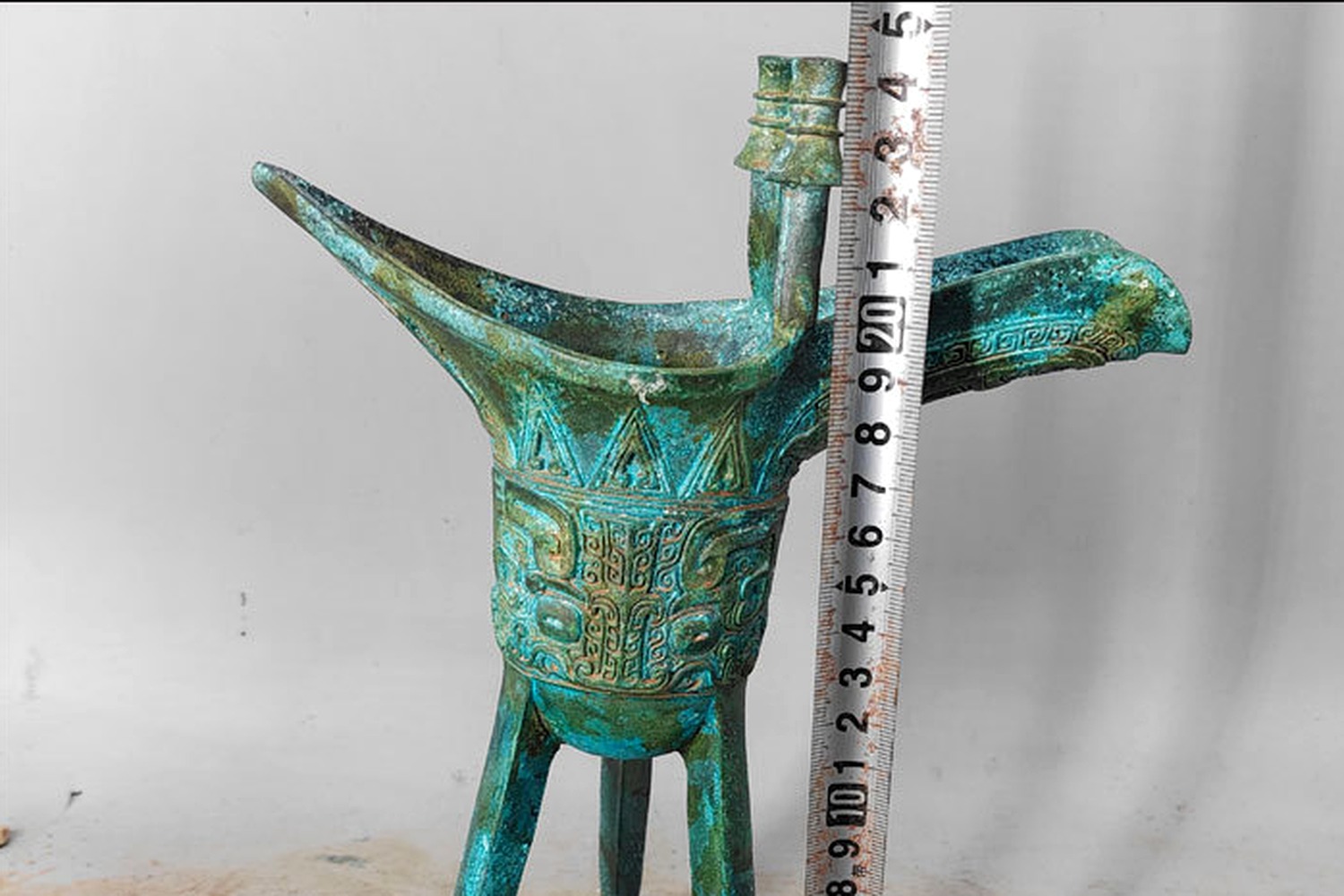
Patina and finish are related, but they are not interchangeable. Patina describes a surface layer or visible color change that can develop through exposure or be created as part of a controlled treatment. Finish is the wider description of the final surface direction, which may include polishing, brushing, coloring, highlighting, waxing, coating or protective steps.
Both bronze and brass can have a selected modern finish. A bronze object can be polished, darkened or given a green patina-style direction. A brass object can be polished, brushed, given an aged-style direction or darkened. Therefore, a patina-style finish should not be used as shorthand for age, and finish wording should not imply a historical original unless that claim is separately documented.
For a deeper explanation of surface color, read the bronze patina finish guide. The key buyer action is the same: match the written finish description to a current sample or finish reference before ordering multiple pieces.
How to tell bronze from brass
There is no reliable way to identify the exact alloy of a decorative object from one photograph or color swatch. Weight, magnet response, surface tone and visible wear can provide clues, but they do not independently prove composition. Coatings, hollow construction, mixed parts and lighting can make visual comparisons misleading.
A practical buyer check is to work through these questions:
- What is the stated base material? Separate bronze, brass, copper, plating and coating language.
- Is the wording about the alloy or only the appearance? "Bronze tone" and "brass color" may describe finish rather than base metal.
- Can the supplier confirm the current sample? Request front, side, detail and scale photos when the shape or surface matters.
- Is the material claim important to the project? If yes, ask what documentation or testing is appropriate before purchase.
- Does the finish need to match across a batch? Confirm expected variation, highlights, recesses and care instructions.
For CCLYF product conversations, the dependable path is Material confirmed before order, supported by the current product direction, sample information and the details relevant to the buyer's use.
Which is better for decorative objects?
Neither bronze nor brass is automatically better for every decorative object. The better choice depends on the intended visual language, form, surface direction, room setting, budget, handling needs and the information the buyer must confirm.
Bronze may fit a project that needs a deeper brown, archaic-inspired or patina-style visual direction. Brass may fit a project that needs a brighter yellow-gold, polished or warmer metallic accent. The final result still depends on the exact alloy, casting or forming route, surface treatment and sample consistency.
CCLYF focuses its current site and sourcing conversations on modern bronze reproductions made today. This article is a material education guide, not a promise that every metal direction is available. For a bronze object or custom bronze reproduction inquiry, share the form, quantity, destination, intended use, preferred finish and sample-photo requirements so the details can be confirmed before quote.
Bronze, brass and copper: a short comparison
Copper is the base metal from which many copper-alloy families are developed. Bronze and brass are both copper-alloy families. They are usually distinguished by the principal alloying element: tin is the common reference for bronze, and zinc is the common reference for brass.
| Material term | Common education shorthand | Buyer caution |
|---|---|---|
| Copper | Base metal with its own reddish-orange visual direction. | Surface treatment can change the color substantially. |
| Bronze | Commonly copper with tin; a wider family may include other additions. | Do not infer an exact recipe from the word alone. |
| Brass | Commonly copper with zinc; composition varies by grade and use. | Yellow color does not prove the base alloy or exclude a coating. |
For product sourcing, the exact information needed depends on the use. Decorative buyers may need a clear material and finish statement plus sample confirmation. Technical or regulated uses may require formal specifications, certificates or independent testing.
Buyer checklist before requesting a quote
A clear material question helps a supplier give a useful answer. Include:
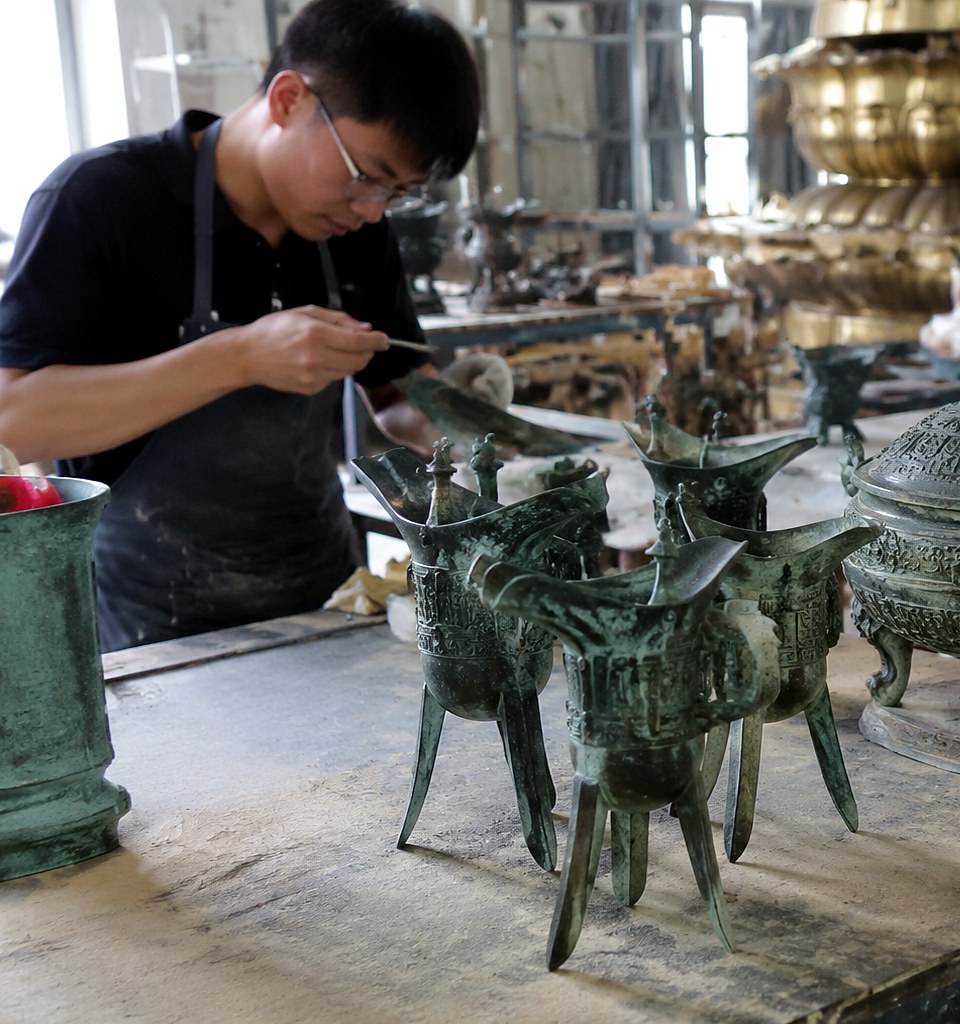
- The product or form direction, such as a Jue cup, incense burner or another bronze vessel form.
- Whether the request is for a modern bronze reproduction made today, a custom direction or a material comparison only.
- Quantity, destination country, timeline and intended setting.
- Preferred surface direction: dark bronze, warm brown, green patina-style, polished, brushed or another reference.
- Whether the base material, finish, dimensions or packaging must be confirmed before order.
- Any need for current sample photos, scale references or batch consistency discussion.
Use the materials and craftsmanship page for the broader confirmation path, or continue to Request Quote with the material and finish questions included.
Frequently asked questions
What is the main difference between bronze and brass?
Bronze is commonly associated with copper and tin, while brass is commonly associated with copper and zinc. Both are alloy families rather than one single fixed recipe.
Is bronze the same as copper tin alloy?
Copper-tin alloy is a useful shorthand for many bronze discussions, but bronze can describe a wider family with additional alloying elements. Confirm the exact material for the current sample when composition matters.
Is brass a copper zinc alloy?
Usually, yes. Brass is commonly described as a copper-zinc alloy family, but the exact balance and any additional elements vary by grade and use.
Can color tell me whether an object is bronze or brass?
Color can provide a visual clue, but it cannot prove the base alloy. Polishing, coating, plating, patina-style treatment, lighting and photography can all change the appearance.
Does patina prove that bronze is old?
No. A modern object can receive a controlled patina-style finish. Surface color does not independently prove age, provenance or historical authenticity.
What should I ask a supplier about material?
Ask whether the wording identifies the base alloy or only the finish, request current sample information, and confirm what material, finish, dimensions and packaging details will be checked before order.
Sources and material notes
This guide uses general material distinctions and surface-change guidance from the following references. The references support education about alloy families and corrosion or patina; they do not identify the exact composition of any CCLYF sample.
- Canadian Conservation Institute: Basic care - recognizing metals and their corrosion productsGeneral care and appearance notes for copper alloys, including brass and bronze.
- Copper Development Association: Advanced Search for Wrought and Cast Copper AlloysReference database showing the breadth of modern copper-alloy families and compositions.
From material research to a practical product question
Bronze vs brass research is most useful when it ends in a specific decision: which visual direction fits the room, which form fits the display, what must be confirmed before quote and which sample should be reviewed. A clear material question is more useful than choosing from color alone.
For modern Chinese bronze reproductions made today, continue to the modern reproduction clarity guide, browse the bronze reproduction collection or send a material and finish inquiry.