Clear boundary statement
CCLYF is a sourcing and buyer-support site for modern Chinese bronze reproductions. The objects discussed here are made today for display, gifting, interior projects, education-shop use, collector display and small-batch B2B sourcing. They may be inspired by well-known vessel forms, surface traditions or Chinese bronze culture, but the commercial discussion is about present-day objects.
That boundary matters. A buyer should not need to guess whether a page is selling a documented historical original, a museum-provenanced object or a product with unverified historical-origin claims. CCLYF keeps the wording direct: modern reproductions made today, clearly described, with quote-stage checks before order.
What CCLYF offers
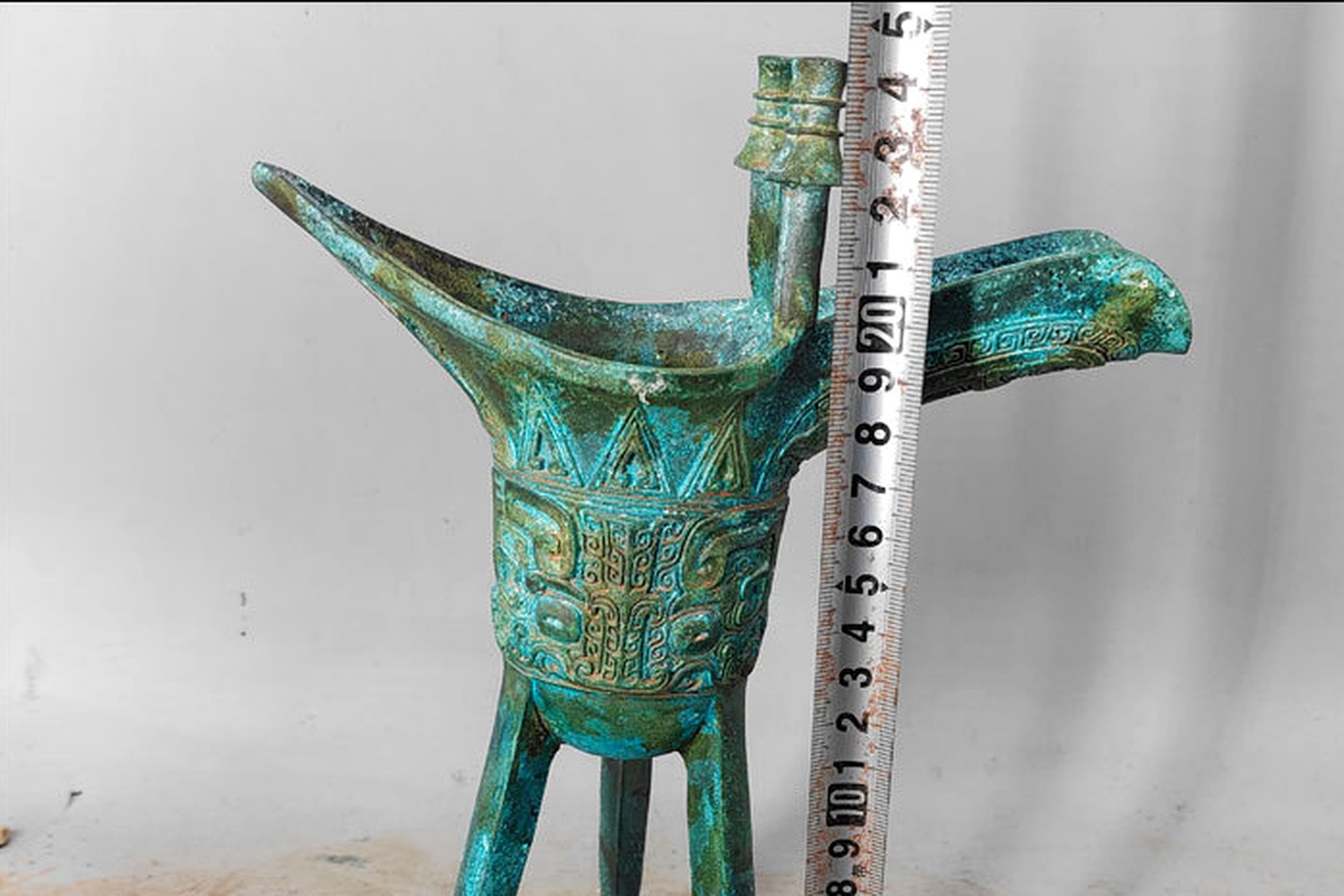
CCLYF offers bronze reproduction sourcing conversations around vessel forms such as Jue cups, incense burners, gift options and broader display directions. The site is built for overseas buyers who need a practical path from model direction to sample review, not a dramatic origin story. Product pages, series pages and request forms focus on what can be checked: visible sample photos, model direction, intended use, quantity, destination, size status, material status and packaging needs.
This is why the site uses phrases such as modern bronze reproduction, Chinese bronze reproduction buyer guide, bronze reproduction sourcing and custom bronze reproduction inquiry. Those phrases describe the real buyer task: selecting a modern object, confirming the sample and preparing a quote that fits the buyer's use case.
How to choose a Chinese bronze reproduction
Before buying, separate visible sample evidence from quote-stage confirmation:
- Form: confirm the product family and intended setting.
- Photos: request front, side, underside, detail and scale views.
- Facts: confirm size, material, finish and packaging for the selected sample.
- Quote: send quantity, destination, intended use and timeline.
- Wording: describe a present-day reproduction without unsupported age or provenance claims.
For product-led browsing, compare the bronze incense burner series, the bronze Jue cup series and the Animal-Form Bronze Vessels range before sending a quote request.
What CCLYF does not claim
CCLYF does not present site products as historical originals. It keeps the same plain boundary for provenance: not museum-provenanced objects, and no unverified historical-origin claims. If an object is a modern reproduction made today, the customer-facing copy keeps that fact visible.
The same discipline applies to commercial facts. CCLYF does not invent dimensions, material composition, inventory status, price, order minimums, certificates, institutional partnerships or production capacity. If a fact needs supplier or sample confirmation, the page says so. That restraint is a trust signal for serious buyers.
Chinese bronze marks and why CCLYF avoids age claims
Some buyers search for Chinese bronze marks or ways to judge age before comparing a Jue cup, incense burner or other vessel form. CCLYF does not provide age appraisal: heritage-style, archaic-inspired or Boshan direction describe visual reference only. Formal attribution belongs with a qualified specialist; quote discussions should confirm sample photos, size, finish, packing, label wording, quantity and destination.
Why clarity matters for overseas B2B buyers
Overseas buyers often need to share product information with colleagues, procurement teams, gift committees, designers or retail buyers. Ambiguous wording creates risk: a purchasing team may reject a product if the category is unclear, while a museum gift buyer or cultural institution needs to avoid unsupported origin language. Clear modern reproduction wording reduces confusion before the first quote is prepared.
For wholesalers and small-batch buyers, clarity also makes operations easier. A buyer can ask for a model direction, quantity, packaging need and destination without expecting fixed inventory claims. An interior designer can ask whether a finish direction suits a project. A collector can request sample photos without needing unsupported provenance language. Everyone can focus on the actual order discussion. Buyers moving from education to sourcing can compare the small-batch bronze reproduction sourcing route or the bronze objects for interior designers route before requesting a quote.
How product photos and sample confirmation work
Product proof should come from real photos. Main product images, detail views, size references and packaging evidence must be treated as evidence only when they come from real sample or packaging photos. Atmosphere or support visuals can help buyers imagine a display setting, but they should not be used as product proof, detail evidence, dimension evidence, material proof or packaging proof.
For a specific inquiry, buyers can ask for the selected sample or closest available model photos before order. CCLYF uses the conservative wording Sample photos available before order because availability depends on the model direction and sourcing stage. When more angles matter, ask for front, side, underside, surface detail, scale reference and packing discussion images before final confirmation.
How quote preparation handles uncertainty
Quote preparation should not hide uncertainty. If size has not been checked for the exact sample, the correct wording is Size confirmed before quote. If material needs supplier or sample confirmation, the correct wording is Material confirmed before order. If protective packing or gift presentation has not been finalized, the correct wording is Packaging confirmed before quote.
This approach keeps the buyer conversation clean. Instead of publishing unsupported fixed facts, the quote path asks for the information that changes sourcing: product or series, product reference if known, quantity, destination country, buyer type, timeline, intended use, custom size or finish needs and packaging expectations. The quote can then be prepared on a clearer basis.
Suitable buyer scenarios
Collectors may use this guide to separate modern display objects from documented historical pieces before asking for sample photos. Museum gift buyers and cultural institutions may use it to keep educational, retail or display conversations inside a clear modern reproduction boundary. Interior designers may use it to discuss surface tone, scale and placement without relying on unsupported origin language.
Wholesalers and small-batch sourcing teams may use the same clarity to compare model directions, packaging needs and shipping destinations. Cultural gift buyers can discuss presentation options while understanding that gift packaging is confirmed before quote. None of these scenarios require invented case studies or partner claims; they only require a practical, honest sourcing process.
Questions to ask before sourcing
Before sending a request, ask which product family or vessel form best fits your use case. Ask whether sample photos can show the current or closest available model. Ask when size, material and packaging can be confirmed. Ask whether the image you are viewing is product proof, sample support or atmosphere support. Ask what information is needed for a quote.
A strong inquiry usually includes the product or series, product reference if known, quantity, buyer type, destination country, deadline, intended use and any custom size, finish or packaging needs. If you are not sure which product path fits, start from the products index, collection, FAQ, custom sourcing page or Request Quote page.
Related links and Request Quote CTA
Use the links below to continue from clarity into product selection and quote preparation. The goal is a simple path: understand the boundary, browse modern bronze reproduction options, confirm what needs checking and send a practical inquiry.