Quick answer: what should you compare first?
When choosing bronze decor for an interior design project, start with the room, viewing distance and visual role of the object. Then compare the silhouette, scale, surface direction, quantity and practical quote details. A Jue cup, an incense burner, an animal-form vessel and a gift set can all create a different visual result, so the best choice depends on the project rather than on the object name alone.
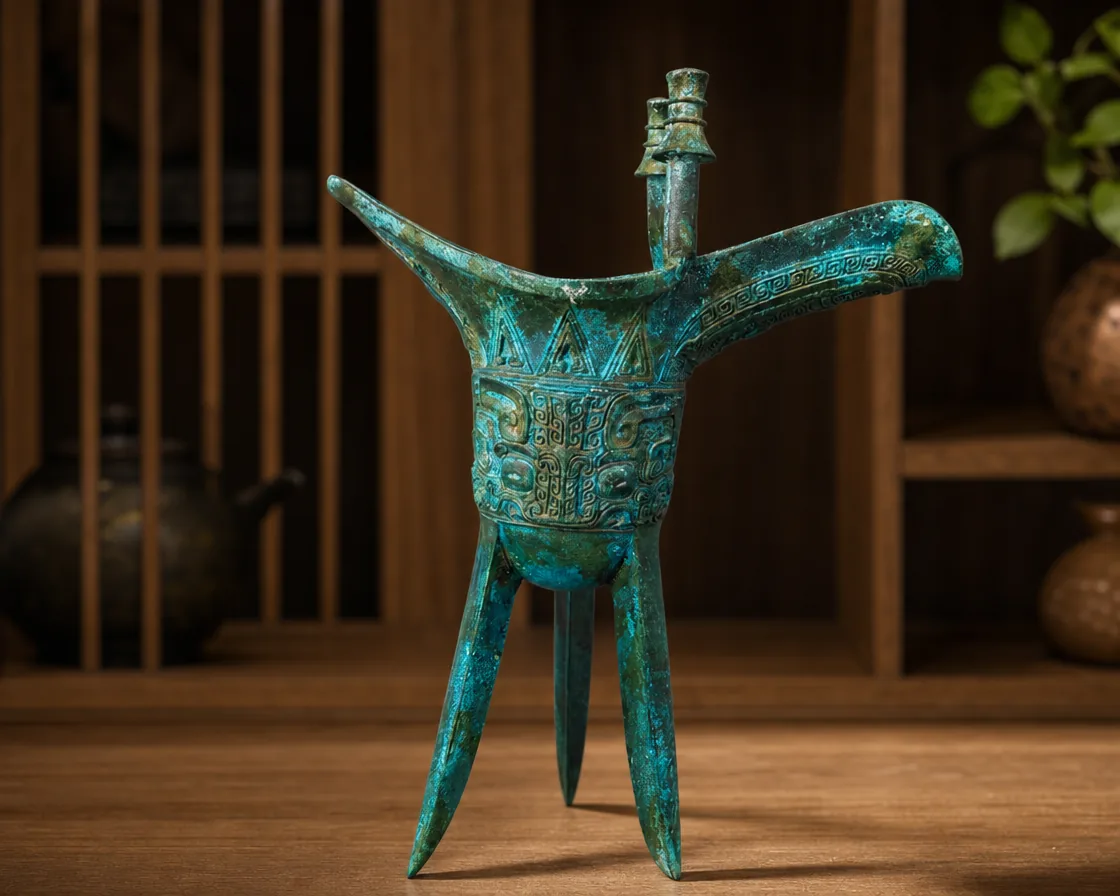
Image boundary: The scene images in this guide show display direction and mood. They are not proof of fixed material, dimensions, finish, packaging or delivered appearance.
What counts as bronze decor in this guide?
In this guide, bronze decor means a decorative object selected for a home, study, tea room, hospitality space, showroom, cultural project or gift presentation. The focus is on modern Chinese bronze reproductions made today. They are not historical originals and are not museum-provenanced objects.
That distinction matters when a designer prepares a project specification, mood board or client presentation. The object can carry a cultural reference and a strong material presence without being described as an excavated or authenticated historical piece. Clear wording also makes the later quote conversation easier.
The short selection method
- Define the project role. Is the object a quiet shelf accent, a desk focal point, a tea-room detail, a hospitality feature or part of a gift presentation?
- Measure the visual space. Note the available width, height, depth and clearance around the object. The final product size should be confirmed from the selected sample or quote.
- Choose the silhouette. Decide whether the project needs a compact vessel, a grounded lidded form, an animal-form statement object or a boxed gift direction.
- Check the viewing distance. A detailed silhouette needs enough distance and light for its outline to remain readable. A small object may work better in a close viewing zone.
- Set the surface direction. Use the room palette and background to decide whether the visual direction should feel darker, aged-style, verdigris-style or painted. Treat this as a direction to confirm, not as an automatic product specification.
- Prepare the quote information. Send the product or series direction, quantity, destination, intended use, reference photos, size limits and packaging questions.
Choose by project type
| Project type | What to compare first | Useful next step |
|---|---|---|
| Home or study | Footprint, silhouette and background contrast. | Compare the Jue cup and incense burner series. |
| Tea room | Visual calm, lid or vessel profile and spacing. | Review incense burner directions and display guidance. |
| Hotel or hospitality space | Viewing distance, stronger outline and repeat quantity. | Use the hospitality buyer path. |
| Interior design project | Mood board, palette, size limit and client approval image. | Send a structured design inquiry. |
| Cultural or corporate gift | Object identity, presentation, labels and protective packing. | Review gift-set options and quote-stage details. |
| Small-batch test | Model mix, sample photos, quantity range and destination. | Prepare a wholesale or small-batch request. |
The same object can work differently in each setting. A form that feels intentional on a study desk may disappear on a large hotel console. A visually complex object may need a quiet background, while a compact object may need a defined shelf zone or tray so it does not look accidental.
Compare the main product directions
Bronze Jue cups: strong outline and compact display
A Jue cup direction can be useful when the design needs a recognizable vessel silhouette on a desk, shelf, cabinet or plinth. Posts, a spout, legs, a handle or surface motifs may become part of the visual composition, so side clearance matters.
For a compact display, compare the object against the furniture line behind it. If the spout, posts or legs blend into the background, the form may lose its character. Start with the Bronze Jue Cup Series when the project needs a vessel-led focal point, then confirm the selected model and current sample photos.
Bronze incense burners: grounded volume and lid profile
An incense burner direction often reads through its body volume, lid shape, support structure and base. It can suit a tea room, a quiet shelf, a study or a hospitality setting where the object should feel grounded rather than visually thin.
The Bronze Incense Burner Series is the better starting point when the project needs to compare lidded forms, mountain-lid directions or other burner silhouettes. The final size, material, finish and packaging details should be confirmed for the selected sample before they are written into a project specification.
Animal-form bronze vessels: sculptural silhouette with a vessel identity
Animal-form bronze vessels can create a stronger conversation point than a small conventional ornament because the outline carries both an animal reference and a vessel-like object identity. They may work well on a plinth, a feature shelf, a showroom surface or a cultural display zone where the viewer can see the silhouette clearly.
Do not treat every animal-form object as a generic animal sculpture. The intended vessel identity, visible opening or lid direction, base stability and project context should be checked from the relevant product page and current sample images. Browse the Animal-Form Bronze Vessels series for the current range.
Bronze gift sets: object choice plus presentation
Gift projects require two decisions: which object communicates the intended idea, and how the object will be presented. A gift set may need a box direction, labels, protective packing, quantity planning and a clear explanation for the recipient.
Use the Bronze Gift Sets page as a starting point. Treat presentation visuals as mood references until the actual box, label and packing scope are confirmed for the order.
Bronze decor size guide: choose scale by space and viewing distance
There is no universal best size for bronze decor. The right scale depends on the furniture, the room, the viewing distance and the amount of visual information already present. A bronze statement piece for home use should be judged against the furniture around it, not selected from an isolated product image.
| Placement | Questions to answer before selection | What must be confirmed |
|---|---|---|
| Desk or side table | Will the silhouette remain visible from a seated position? Is there enough clearance around the object? | Final height, width, depth and base contact. |
| Bookshelf or cabinet | Will the object be hidden by books or a shelf edge? Does the background separate the outline? | Overall dimensions and viewing angle. |
| Tea table or tea-room shelf | Does the object support the quiet mood of the room? Is the placement decorative or part of a cultural display? | Selected model, surface direction and handling needs. |
| Hotel console or showroom plinth | Can the form be read from several steps away? Does the object need stronger visual weight? | Size, quantity, stability, packing and destination. |
| Gift presentation | Does the object fit the presentation format and intended recipient? | Object size, box direction, labels and protective packing. |
For a real project, send a photo of the placement area, a rough measurement or a mood board. A reference image helps explain the design intent, but it does not replace product or sample confirmation. This is especially important when a design studio is building a shortlist of bronze objects for interior designers rather than choosing a piece for a private room.
Match the surface direction to the room
Surface direction should support the room rather than compete with it. Modern bronze decor works best when its surface direction is considered alongside the room palette. Darker bronze tones may need a lighter wall, linen or stone background to remain legible. A verdigris-style direction can become a color accent against dark wood or a neutral palette. A painted direction may need more visual breathing room so the surface does not compete with patterned textiles or artwork.
These are selection directions, not promises about a fixed finish. Before an order, ask for the current sample photos and confirm the material and finish status for the chosen model. The materials and craftsmanship page can provide context, while the quote conversation confirms the specific order details.


Think about the background before the object arrives
Background is part of the selection. A complex outline needs a quiet plane behind it. A dark object may need a lighter surface. A small object may need a tray, plinth or defined shelf zone to create visual intention.
For a study, wood, books and neutral ceramics can support a compact vessel. When choosing bronze decor for tea room projects, stone, linen, low-saturation walls and quiet spacing can keep the object from feeling over-styled. For hospitality spaces, the object should be readable without forcing guests to stand close to it. Chinese bronze decor for interior designers also needs enough visual space for the form to remain clear in a client's presentation and in the finished room.
The bronze object display guide covers the next stage: lighting, spacing, surface protection and placement after the object direction has been chosen.
Common selection mistakes
Choosing from the object name alone
An object name does not tell you how it will read in a room. Compare the silhouette, base, lid or support form, background and viewing distance before deciding.
Using a scene image as product proof
A scene image can explain mood and scale direction. It cannot prove the exact material, dimensions, finish, packaging or delivered configuration. Ask for current product or sample photos before client approval.
Adding unsupported specifications to a mood board
Do not add a fixed weight, alloy composition, price, MOQ, availability statement or delivery promise unless it has been confirmed for the selected order. Use clear working notes such as size to confirm or finish direction to confirm.
Over-styling the object
Books, ceramics, plants and textiles can help a scene feel complete, but too many supporting objects hide the bronze silhouette. Select the object first, then add only what helps the viewer understand the intended setting.
Ignoring the buyer's practical path
A beautiful selection still needs a workable quote. Quantity, destination, intended use, size limits, reference photos and packing questions should be sent together so the supplier can respond to the real project.
What to include in a design project inquiry
Send a short project brief with:
- Project type: home, study, tea room, hotel, showroom, cultural gift or another setting.
- Intended placement: desk, shelf, cabinet, console, plinth, tea table or gift presentation.
- Product direction: Jue cup, incense burner, animal-form vessel, gift set or custom discussion.
- Visual reference: room photo, mood board, palette, material references or placement sketch.
- Size limits: available height, width, depth and clearance.
- Quantity: estimated quantity by model or project area.
- Destination: country and, when relevant, the delivery environment.
- Surface direction: preferred visual mood, with the understanding that the final finish must be confirmed.
- Packaging and labels: whether protective packing, gift presentation or project labels need discussion.
- Decision timing: the buyer's internal review date, without assuming a guaranteed production or shipping timeline.
For a wider procurement checklist, read the bronze decor sourcing guide. Designers can also use the interior designer sourcing page when the project is ready for a more specific inquiry.
Questions designers often ask
Which bronze object is best for an interior design project?
There is no single best object. Choose the direction that fits the room's scale, viewing distance, visual role and client brief. Jue cups can support a compact vessel display, incense burners can provide grounded volume, animal-form vessels can create a sculptural focal point and gift sets add a presentation layer.
How do I choose bronze decor for a tea room?
Start with visual calm, spacing and the relationship between the object and the tea table or shelf. If you are deciding how to choose a bronze incense burner, compare the burner direction, confirm the selected sample and avoid treating a scene image as proof of the final product.
How large should a bronze statement piece be?
The answer depends on the furniture and viewing distance. Measure the available space and send a placement photo or sketch. Confirm the final dimensions for the selected sample before adding numbers to a project specification.
Can I use CCLYF scene images in a client mood board?
Use them as presentation or mood references when the image is labelled clearly. They should not be presented as proof of fixed material, dimensions, finish, packaging or delivered appearance.
Are CCLYF bronze objects historical originals?
No. CCLYF presents modern reproductions made today. They are not historical originals and are not museum-provenanced objects.
Move from selection to a quote
Once the room, object direction, size limits and quantity are clear, send the project brief through Request Quote. CCLYF can then confirm the selected model direction, current sample photos and the material, finish, packaging and practical shipping details that apply to the order.
For hospitality or tea-space projects, review the hotel and tea-space buyer path. For general product discovery, browse the bronze decor collection.
Related reading
Bronze Jue Cup Series · Bronze Incense Burner Series · Animal-Form Bronze Vessels · Bronze Gift Sets · Bronze Decor Sourcing Guide · Request Quote